Professional Engineering
Telecommunications.
Distributed services, event-driven integrations, cloud delivery, and customer-facing systems built with production operations in mind.
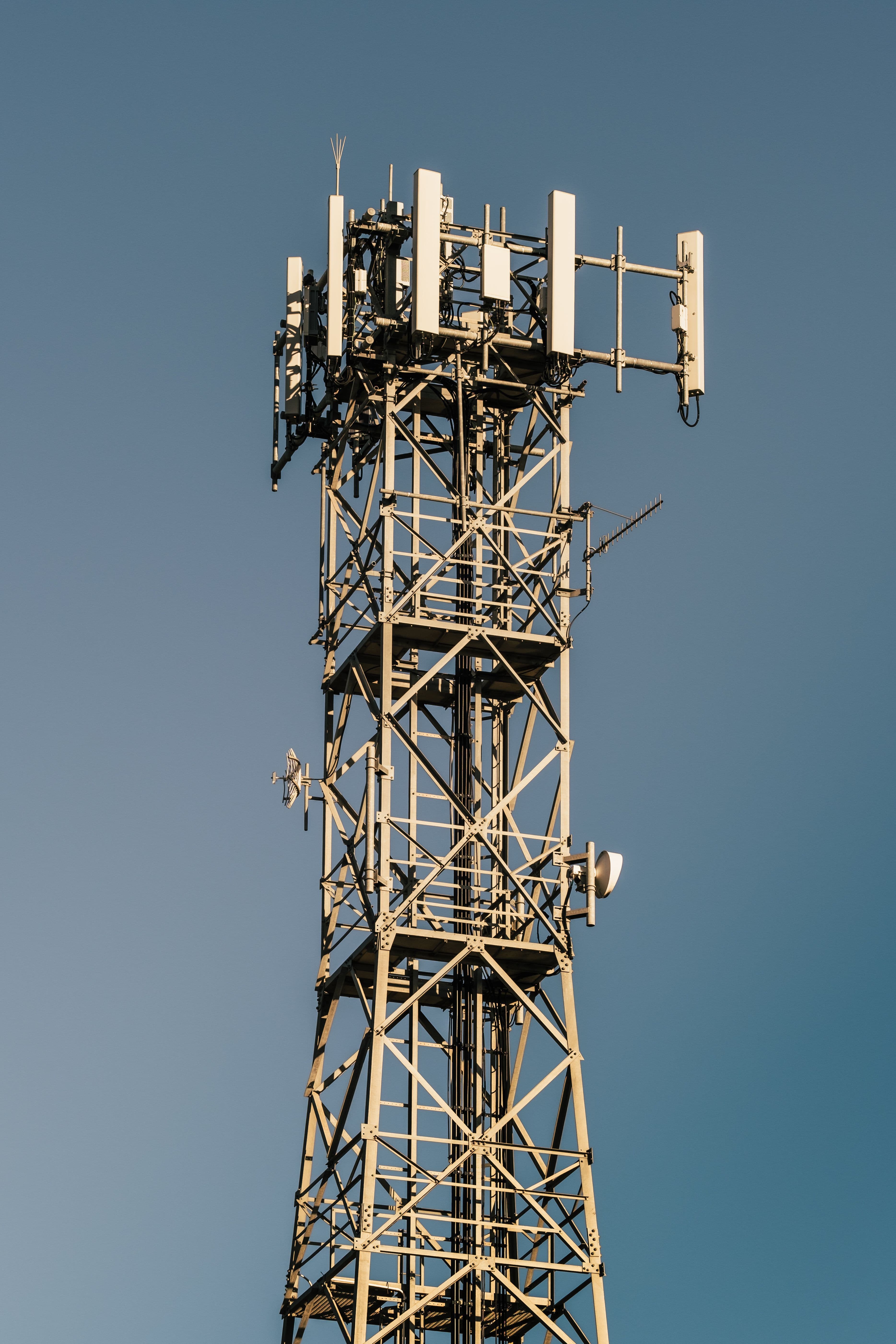
Context
My telecommunications experience centers on a customer-experience platform where backend services, frontend applications, data stores, cloud infrastructure, security, and production visibility operate as one connected system.
My contribution spans Java and Spring Boot services, event-driven integrations, modern web interfaces, cloud delivery, and the operational concerns required to support distributed software in production.
Engineering Scope
- Backend services
- Event-driven systems
- Cloud delivery
- Data and caching
- Security
- Observability
Selected Outcomes
- Contributed backend and frontend functionality within the same customer-experience platform
- Supported event-driven and request-driven service integration
- Contributed to cloud delivery, automated deployment, and production troubleshooting
Systems & Responsibilities
Service and API development
Contributed to Java and Spring Boot services and REST interfaces used within a distributed customer-experience platform.
Stable service behavior and clear interfaces support dependable integration across backend and frontend consumers.Distributed integration
Worked with Kafka workflows and service-to-service communication alongside synchronous APIs.
Distributed communication must make delivery behavior, failure handling, and operational diagnosis explicit.Production delivery
Contributed across containerized delivery, CI/CD, cloud services, security, and production monitoring.
Software becomes useful only when teams can deploy, observe, troubleshoot, and improve it safely.Engineering Challenges
Mixed service communication
Challenge: A distributed platform uses both request-driven APIs and asynchronous workflows, each with different coupling and failure characteristics.
Approach: Worked across REST services and Kafka producer/consumer workflows while keeping integration behavior visible through application and platform monitoring.
Consideration: Asynchronous communication reduces temporal coupling but adds delivery, retry, ordering, duplicate-processing, and observability concerns.Data access across stores
Challenge: Application workflows span relational data, key-value access, and caching rather than one universal persistence model.
Approach: Worked with PostgreSQL, DynamoDB, and Redis in support of workload-specific persistence and access patterns.
Consideration: Additional data technologies can improve fit and responsiveness, but increase consistency, operational, and debugging complexity.Secure distributed access
Challenge: Customer-facing and service-level interactions require consistent authentication and authorization across boundaries.
Approach: Contributed within security flows using OAuth 2.0, JWT, Okta, mTLS, and cloud access controls.
Consideration: Stronger identity boundaries improve protection but require careful token handling, service identity, certificate management, and least-privilege configuration.Technology by Responsibility
Backend
Java 17 · Spring Boot · Spring Cloud · Hibernate · REST APIs
Messaging
Kafka · Asynchronous workflows
Data
PostgreSQL · DynamoDB · Redis
Frontend
React · Angular · TypeScript
Cloud and delivery
AWS · Docker · Kubernetes · CI/CD
Security
OAuth 2.0 · JWT · Okta · mTLS
Observability
Datadog · Grafana · CloudWatch · ELK
Improvements, Decisions & Outcomes
Improvements
- More maintainable service and API integration
- Responsive data access supported by workload-appropriate persistence and caching
- Repeatable container and CI/CD delivery
- Stronger production visibility across application and cloud behavior
- Consistent authentication and authorization across system boundaries
Decisions & trade-offs
Supports asynchronous processing and reduces direct request-lifecycle coupling between participating services.
Requires explicit handling for delivery behavior, retries, ordering, duplicate processing, and consumer observability.Relational storage, key-value access, and caching serve different application access patterns.
Multiple stores increase consistency decisions, operational overhead, and the number of failure modes engineers must understand.Distributed failures are difficult to diagnose from any single service or log stream.
Useful telemetry requires consistent instrumentation, meaningful signals, and ongoing attention to noise and cost.What I learned
- Distributed communication needs explicit failure and delivery semantics.
- Caching and persistence choices should follow access patterns rather than convention.
- Security must remain consistent across user, service, and cloud boundaries.
- Observability must exist before production behavior needs to be diagnosed.
- Delivery automation and application design are parts of the same production system.